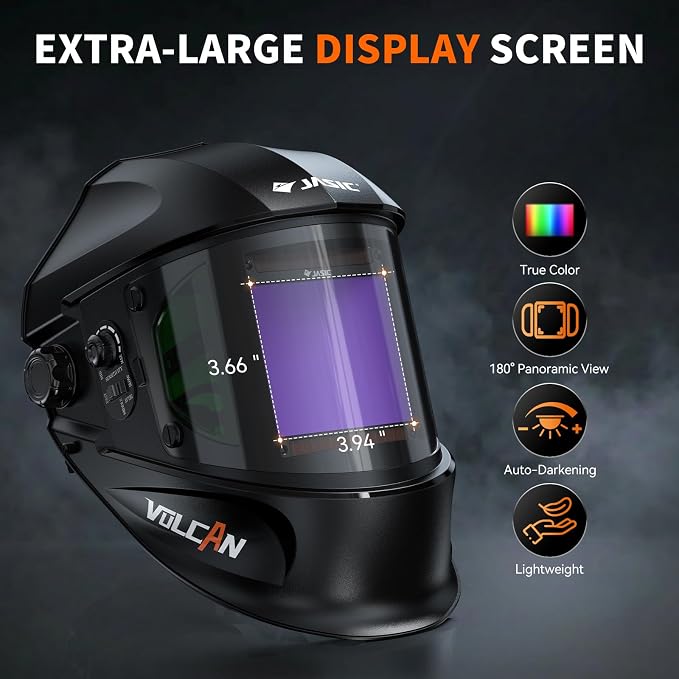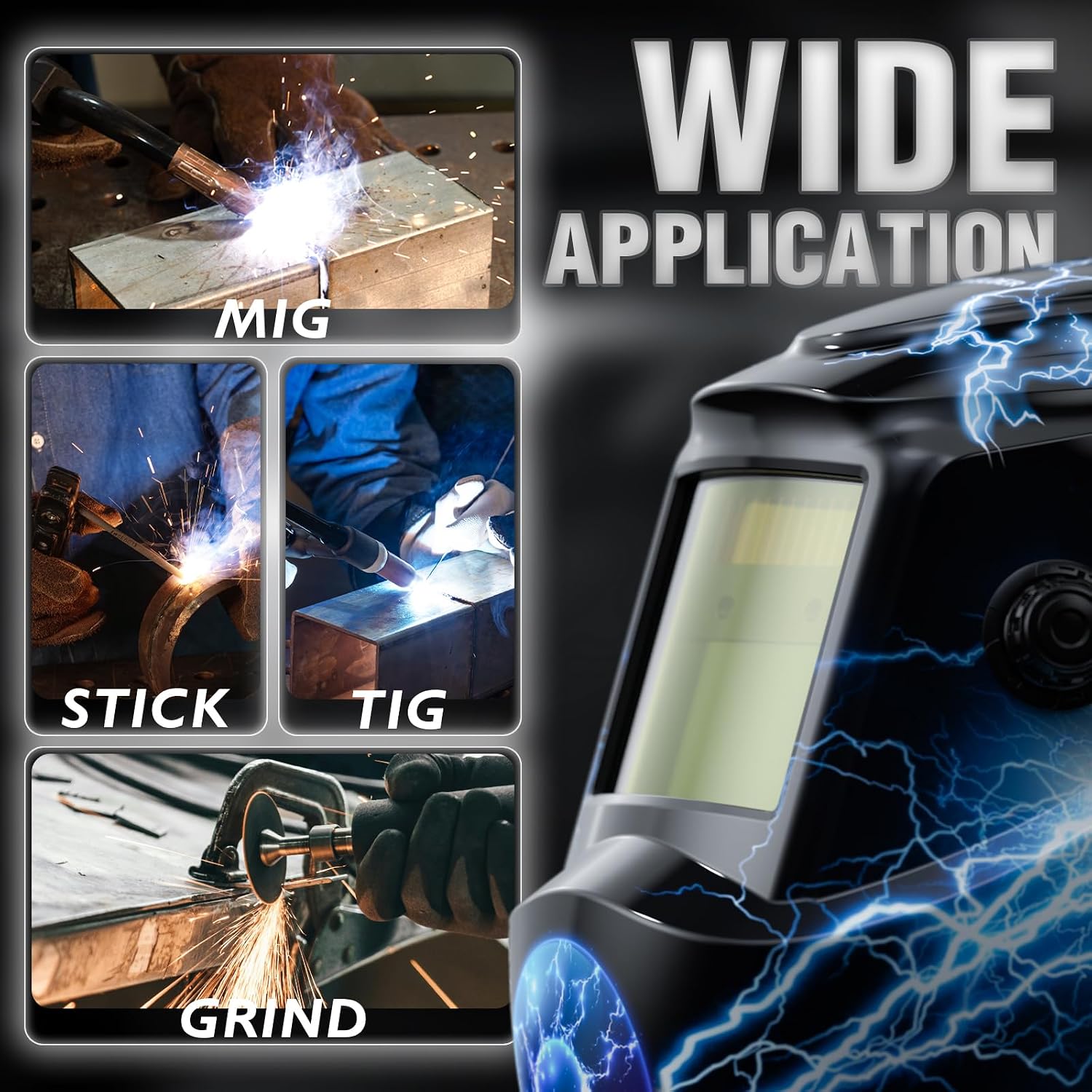
Aluminum welding is the specialized process of joining aluminum and its allows using heat and pressure, valued for its light weight, high corrosion resistance and thermal conductivity. Aluminum presents specific physical and metallurgical properties that make it notoriously difficult for beginners. Aluminum transfers heat roughly four times faster than steel. It acts like a giant heat sink, drawing thermal energy rapidly away from the weld zone. Aluminum welding requires precision, excellent visibility and reliable eye and face protection. Whether you are using TIG welding for thin aluminum sheets or MIG welding for thicker aluminum components, choosing the right welding helmet can make your work safer, more comfortable and more consistent. The best welding helmets for aluminum welding offer dependable auto-darkening technology, adjustable shade settings, a clear viewing area, fast response times and comfortable headgear. These features help welders see the joint clearly, control the welding arc and work with greater accuracy. In this guide, we explore the best types of welding helmets for aluminum welding and important features to consider for selecting the right helmet for your welding process and budget.
Why Helmet Choice Matters for Aluminum Welding?
Helmet choice is absolutely critical for aluminum welding because aluminum reflects significantly more light and produces much higher ultraviolet (UV) radiation than steel. Choosing the wrong welding helmet can lead to severe eye strain, flash burns and poor weld quality. Welders need to see the joint clearly while protecting their eyes and face from the hazards of welding. Look for these special features or Aluminum welding helmets;
Low Amperage: The aluminum TIG welding often operates at low amperages with a softer, less intense or flickering arc compared to heavy steel stick welding.
Better Visibility: A clear viewing window helps you follow the joint, maintain a consistent arc position and recognize changes in the weld puddle. This is especially important when TIG welding thin aluminum or producing clean and consistent welds on visible surfaces.
Intense UV/IR Radiaton: Aluminum reflects high amounts of heat and emits intense ultraviolet (UV) and infrared (IR) radiation. A high-quality auto-darkening filter (ADF) with automatic UV/IR protection (such as DIN16) is mandatory to prevent severe eye damage or arc burn.
Comfort: Aluminum fabrication often requires working out-of-position or in tight assemblies. Lightweight, ergonomic helmets with customizable delay and sensitivity controls prevent neck strain and accidental flashing from hand or torch blockages. Comfortable equipment is particularly useful for professionals who weld aluminum throughout the working day.
Easily Switch Mood: An Auto-darkening helmets switch from a lighter state to a protective dark state when the arc is detected. This allows welders to position the torch or gun and inspect their work without repeatedly lifting the helmet.
List of Top Rated Aluminum Welding Helmets:
Here is the list of must have aluminum welding helmets to ease your welding session.
1. YESWELDER Auto Darkening Welding Helmet (LYG-L600A):
A 3.64″ x 1.67″ viewing area with 1/1/1/1 optical clarity delivers a true-color view for improved visibility and reduced eye strain, so you can read the weld puddle more accurately. 2 arc sensors switch in 1/30000 second, with adjustable sensitivity and delay controls to suit different lighting and arc conditions for reliable performance. Shade 3/7-13 supports TIG, MIG, MMA/ARC and Grind and accommodates magnifying lenses for close-up detail work. One helmet handles most of your welding jobs. It meets ANSI Z87.1 and CSA Z94.3 safety standards with a solar-powered panel assists a replaceable CR2450 battery deliver long service life you can count on.
2. ARCCAPTAIN Auto-Darkening Welding Helmet (180° Panoramic View):
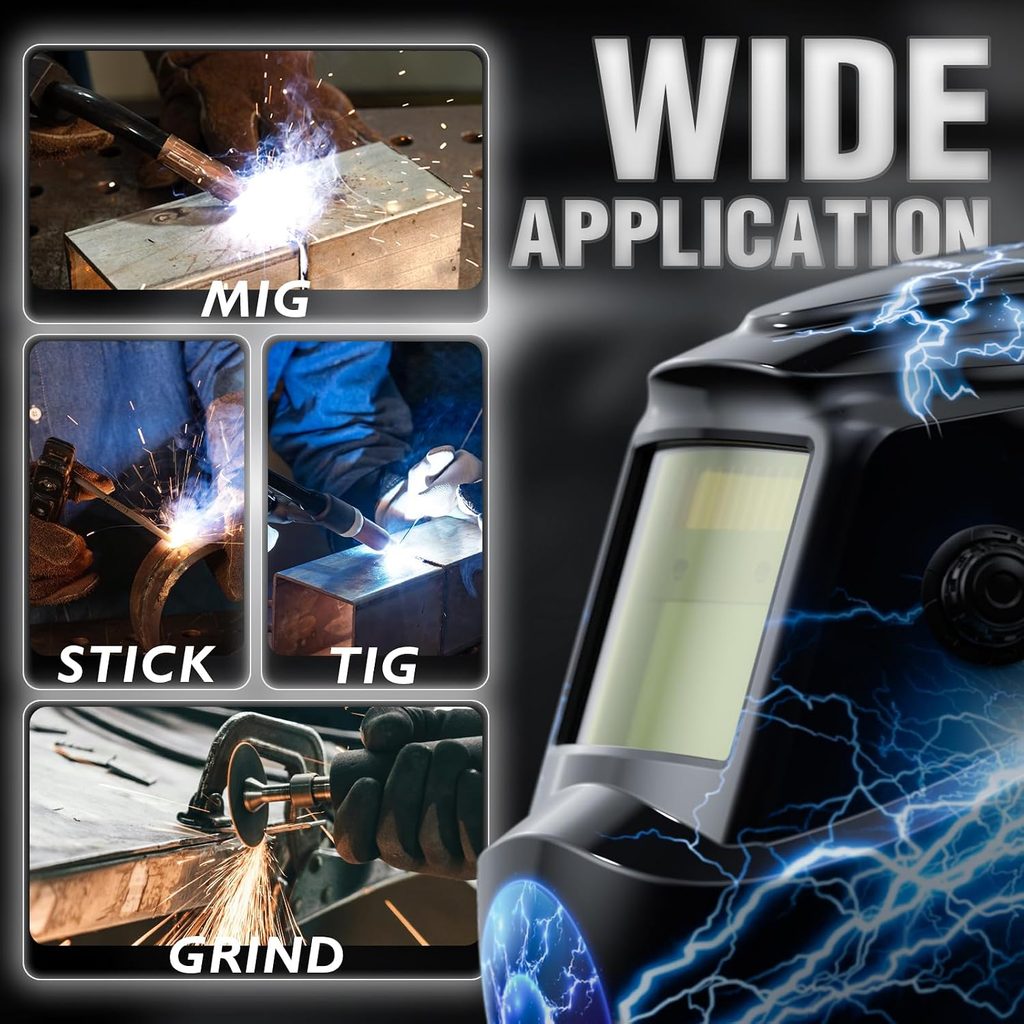
Equipped with 5 arc sensors and a lightning-fast 1/30000s response time, this welding hood automatically adjusts shade and delay for optimal clarity and 1/1/1/1 True Color lens reduces eye fatigue and ensures safety by making it perfect for precise aluminum welding work. The 4.6″ x 3.2″ main lens paired with dual side windows delivers an expansive field of view(DIN3 to DIN5-9/DIN9-13/DIN5-13). Ideal for positioning, setup, and monitoring your surroundings without constantly lifting the mask. JASIC welder helmet meets ANSI Z87.1/ EN379 CE/ CSA Z94.3 compliant, this helmet offers exceptional durability and impact resistance. The adjustable headgear ensures a comfortable fit for long hours of rugged work, even with a welding cap.
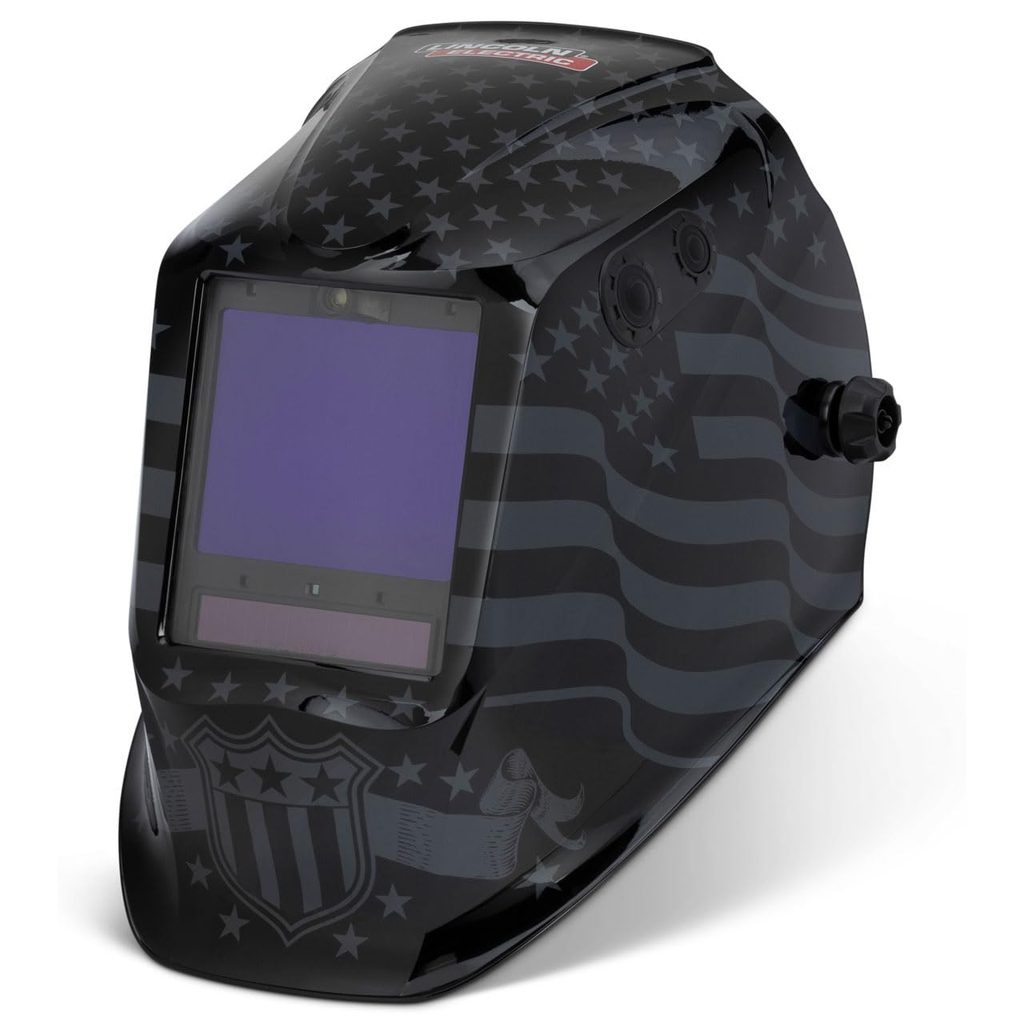
3. Lincoln Electric K5559-5 Viking:
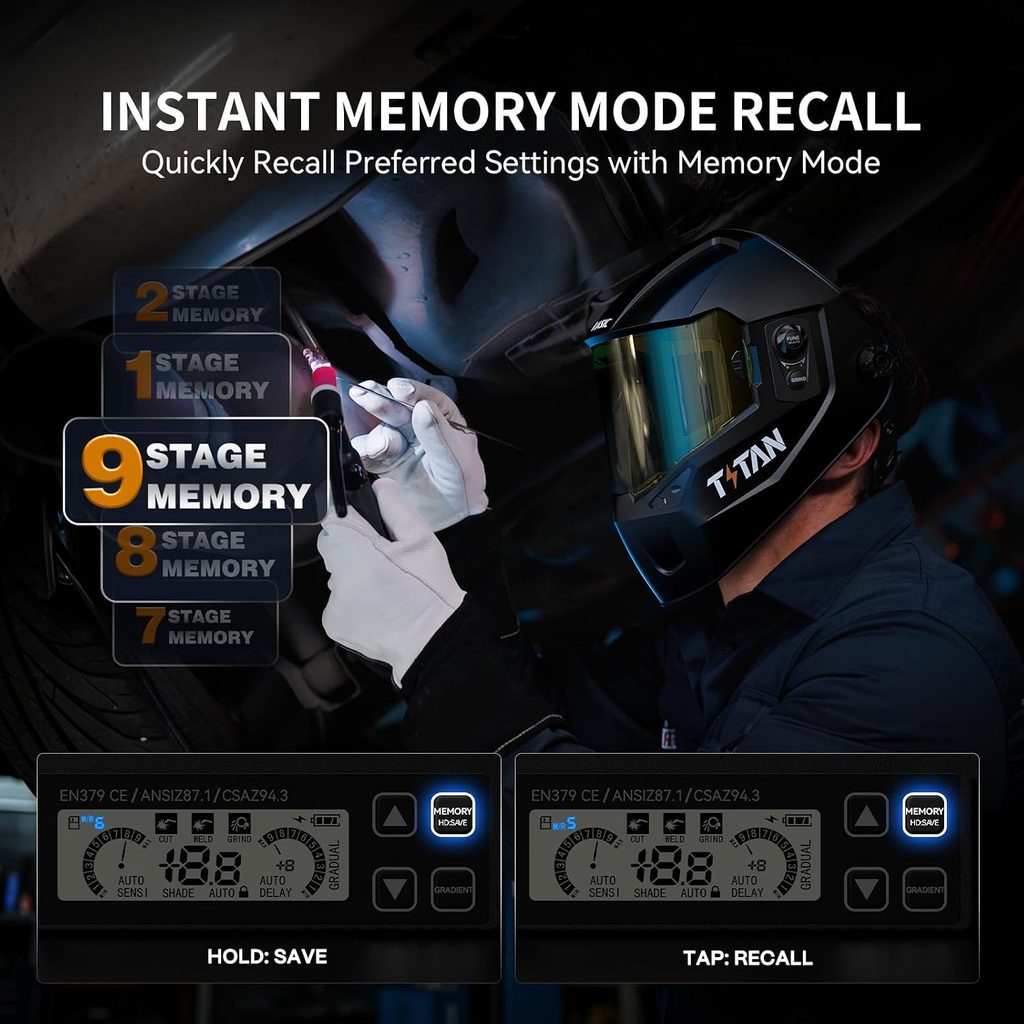
4C Lens Technology is Lincoln Electric’s proprietary liquid crystal display (LCD) that enhances the visible color spectrum, broadening the color range and hues in both light and dark states. This eliminates imperfections and color saturation to create the clearest view of the base material, arc and puddle while reducing eye strain. 1/1/1/1 Optical Clarity that eliminates distortion, removes blurriness and provides uniform shade & consistent shade at all angles. There is a variable 5-13 shade range, a low profile, external grind controls and three memory slots to save commonly used settings. The Digital User Interface features four dedicated helmet modes (weld, cut, grind, and auto), innovative auto shade technology that monitors your environment and automatically adjusts the lens shade and an intuitive digital display that provides advanced control and navigation of helmet settings. Bluetooth connectivity to the FREE GearPoint App to track productivity, predictive maintenance, welder resources, and control settings. It is the well known series for any welding needs.
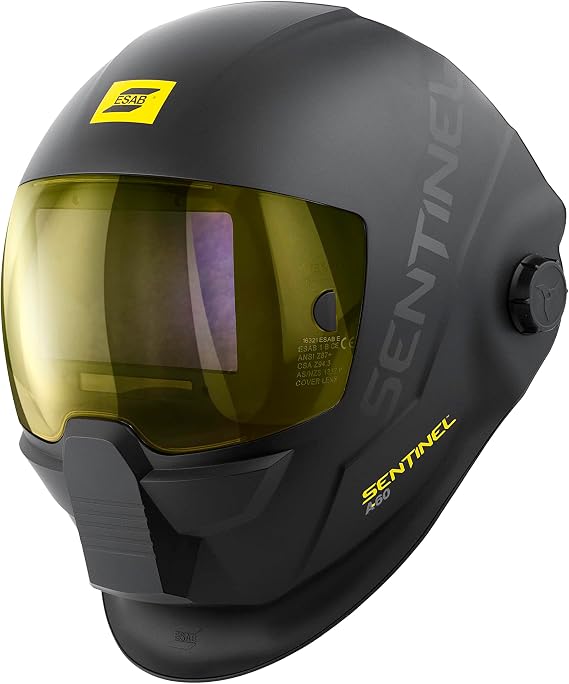
4. Esab Sentinel A60:
(4.65 x 2.80 in) and intuitive internal ADF controls including sensitivity and delay. DIN 3/5–13, adjustable in 0.5 increments and ADF a shade lock setting. ESAB OpTCS provide True Color Lens Technology. On-board memory for up to 9 settings. It has 4 arc sensors. Its fast switching time of 0.08 millisecond with replaceable CR2450 battery. It is the best series for professional welders.
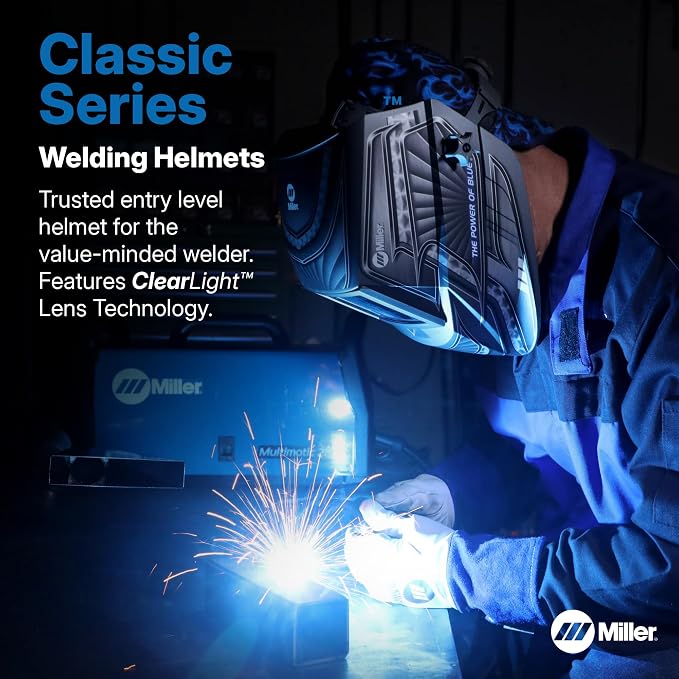
5. Miller Classic Series Welding Helmets:
It provides weld shades 8-13. Two arc sensors with 1/23,000 second switching speed. Ideal for precision welding tasks. Welding hood with adjustable digital controls for shade and delay. Its ratchet headgear ensures perfect fit and comfort for extended welding sessions. Auto-darkening welding mask suitable for various applications. Great for MIG/TIG/ARC or Aluminum welding. Auto-on power control activates at the strike of an arc. Welding gear meets ANSI Z87.1+, CSA and CE standards. 3.0 light state allows keeping hood down between welds, improves productivity and safety. Three-year warranty included.
6. Hobart Auto Darkening Welding Helmets:
Polyamide Nylon with four independent arc sensors provides dependable arc detection. Grind mode prevents lens from Darkening for clear and visible grinding. Included components provide Protective Lens Kit. The top rated welding helmets for any welding needs.
7. Jakson Safety ADF Hood:
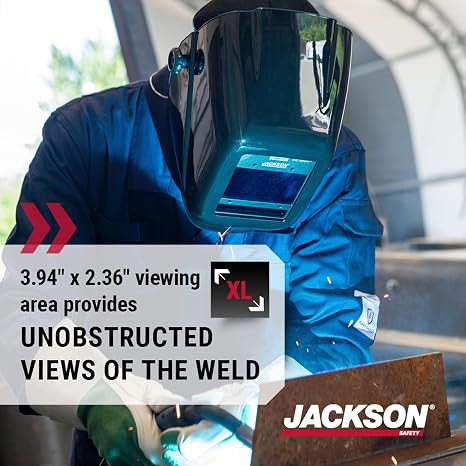
Jackson Safety’s Insight ADF Welding Helmet features the ultra-lightweight HLX shell design which weighing only 6 ounces to reduce neck tension. 3.94″ x 2.36″ viewing area offers unobstructed views without lifting the hood. Variable shades 9 to 13 and latest advancements in True Color technology deliver a crystal-clear view and 1/1/1/1 optical clarity rating significantly reduces eye strain and fatigue. Intuitive digital controls for sensitivity and delay adjustments for different durations and tasks including Weld, Torch and Grind modes by enhancing visibility and color recognition. This top brands offers their welding hood for all types of welding process.
Final Verdict:
The best welding helmet for aluminum welding is one that combines reliable protection, clear visibility, dependable auto-darkening performance and comfortable headgear. For TIG aluminum welding, prioritize reliable low-amperage arc detection, optical clarity and adjustable sensitivity. For MIG aluminum welding, look for dependable sensors, an appropriate shade range, a useful viewing area and durable construction. Beginners should focus on straightforward controls and verified safety performance, while professional welders may benefit from advanced adjustment options and readily available replacement parts. Before purchasing, compare the exact models available in your market, verify their safety documentation and consider the welding processes you perform most often.
FAQs
1. What is the preferred method for welding aluminum?
The best peocess for welding aluminum is TIG (Gas Tungsten Arc Welding) because it offers superior arc control, precision and prevents burn-through on thin metals.
2. Is MIG or TIG better for aluminium?
Neither TIG nor MIG is universally better the right choice depends on your material thickness, project scale and aesthetic needs.
3. Why can’t I TIG weld aluminum?
You likely cannot TIG weld aluminum because your machine is set to DC (Direct Current) instead of AC (Alternating Current) or you are running into issues with the tough aluminum oxide layer and heat control.
4. Is an Auto-Darkening Helmet Better for Aluminum Welding?
An auto-darkening helmet is significantly better for aluminum welding because aluminum is commonly welded using TIG or MIG processes that require precision, two-handed control and clear visibility of the puddle before and during the arc strike.
5. What shade is best for Aluminum TIG welding?
The best welding helmet shade for aluminum TIG welding ranges from Shade 10 to Shade 13 depending heavily on your amperage and the intense high-frequency AC arc.